 ultimate-guide
9 Site Clearing Mistakes That Delay Construction Projects
Last Updated: November 4, 2026
Quick Summary
Site clearing is the removal of trees, brush, stumps, and debris from a parcel so construction equipment can access the land and build on a stable surface. Most delays start here, so sequence the work and plan ahead.
- Walk the parcel and flag protected trees, property lines, and drainage paths before the first cut.
- Call 811 before any excavation or stump grinding so utility lines are located first.
- Decide early whether debris chips will be reused as mulch or hauled off, since this changes schedule and cost.
- Compare quotes only after confirming each one covers the same scope, including stumps, hauling, and grading.
- Confirm permits with the local building department before clearing, and protect bare soil with silt fencing and seeding.
Table of Contents
Most construction delays begin on the ground, long before the foundation crew arrives. Site clearing is the first big step, and when it goes wrong, the whole schedule slips. This guide walks through nine common mistakes and what to do instead.
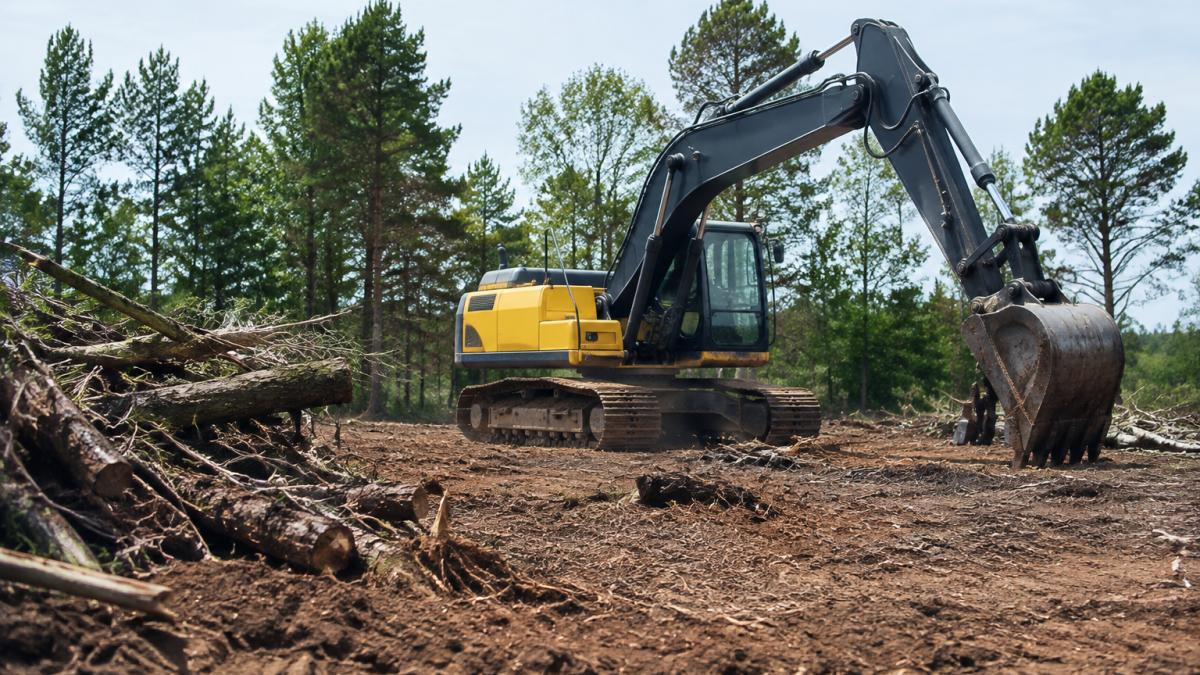
Site clearing is the removal of trees, brush, stumps, and debris from a parcel so that construction equipment can access the land and build on a stable surface.
A common mistake is treating clearing as a single day of cutting. In practice, the work sequences: hazardous trees come down first, then brush and undergrowth, then stumps and roots, then grading. Skipping that order means equipment gets stuck or crews work around standing hazards.
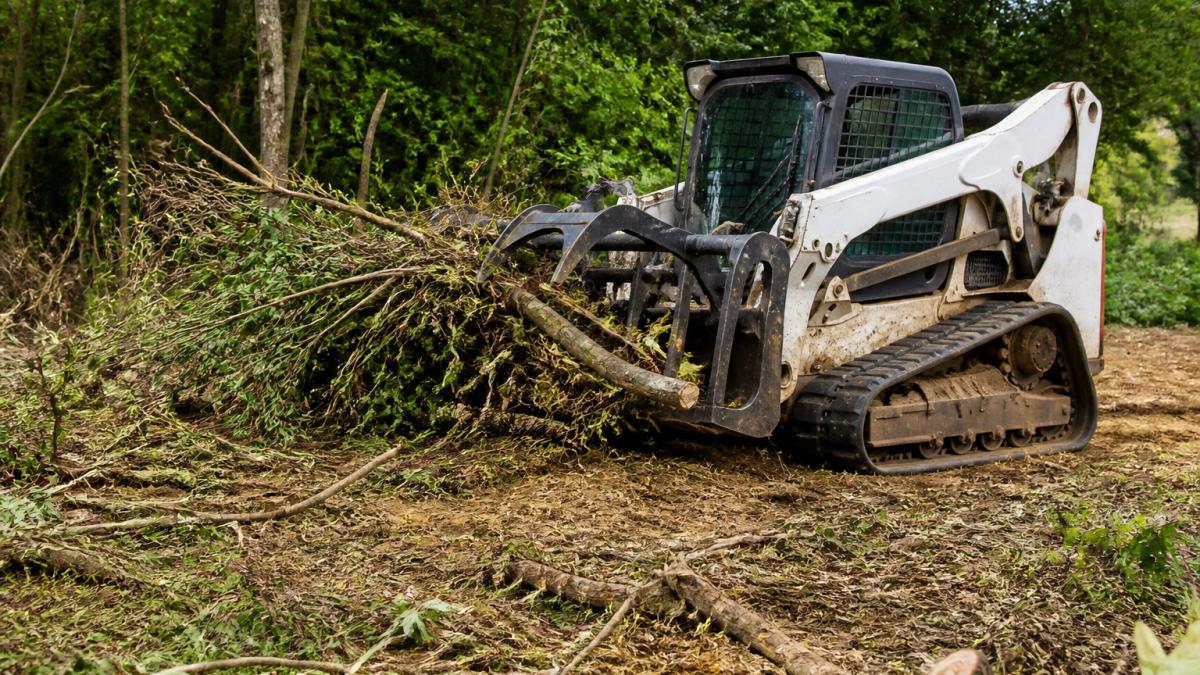
!Crew clearing brush with equipment on a wooded lot
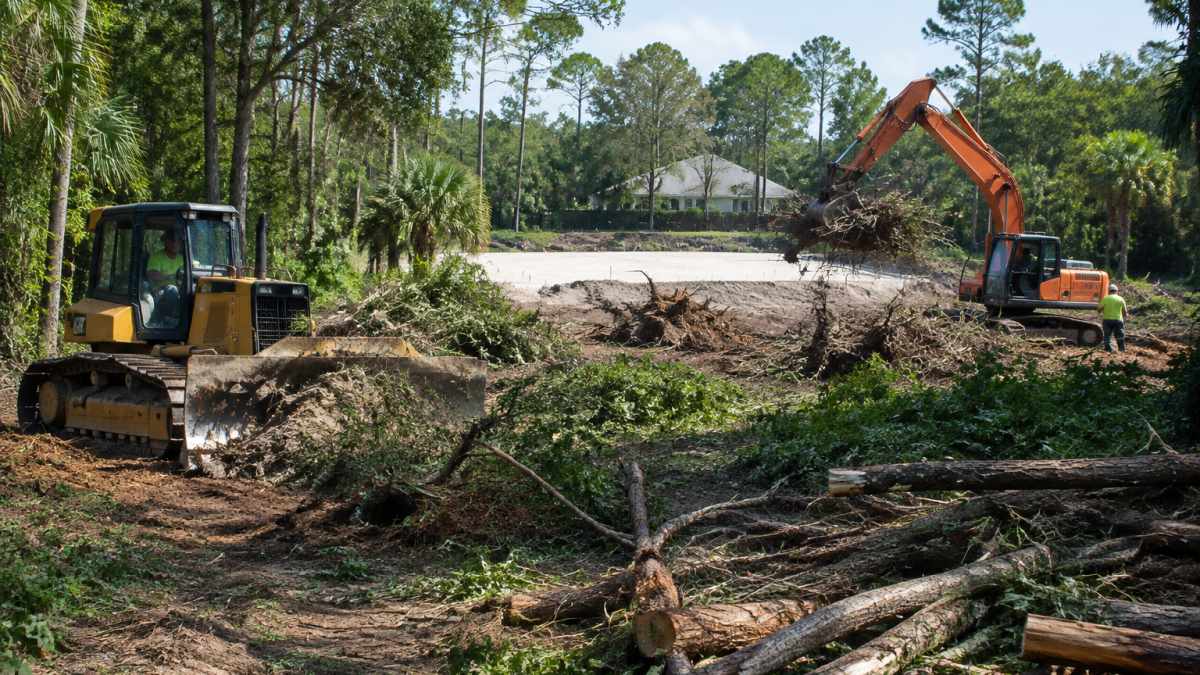
Most site clearing work falls into a few areas: tree and vegetation removal, brush and undergrowth clearing, and removal of stumps and roots, which is where many projects underestimate effort. To weigh your options, compare forestry mulching with traditional clearing for a Clermont site.
Mistake one is skipping a site walk before the first cut. Walk the parcel, flag protected trees, mark property lines, and note any drainage paths. U.S. Department of Agriculture guidance on forest and land management
Mistake two is ignoring underground hazards. Call 811 before any excavation or stump grinding so utility lines are located first (811 Before You Dig).
Mistake three is hauling debris without a plan. Decide early whether chips will be reused as mulch or hauled off, because that choice changes the schedule and cost.
Pricing depends on acreage, vegetation density, the number of trees and stumps, terrain, access for heavy equipment, and debris disposal. For a fuller breakdown, read the cost of clearing overgrown land guide. Because a dense two-acre parcel and an open one-acre lot can differ widely, pricing varies by site. Request a written estimate that itemizes clearing, stump work, hauling, and grading so you can compare bids on the same scope. You can see local land clearing pricing and request a quote for a Clermont development project.
Mistake four is comparing quotes that cover different work. One bid may include stump removal and haul-off while another does not. Line up the scope before comparing totals.
Mistake five is underestimating access. Narrow driveways or soft ground can require smaller equipment, which raises labor time.
Site Preparation Checklist for New Construction, Including Permits and Drainage
Before the first cut, confirm permit requirements with the local building department, since clearing near wetlands or protected trees can require approval. See how land clearing and excavation prepare a property for construction in Celebration. Plan erosion and stormwater control so bare soil does not wash onto neighboring lots or into drainage channels.
Mistake six is starting work before permits are approved. Stop-work orders cost more than a short delay.
Mistake seven is leaving bare soil unprotected through the rainy season. Silt fencing and seeding or mulching the exposed areas keeps runoff under control. For grading and drainage work after clearing, see our excavation services.
Mistake eight is failing to coordinate the clearing crew with the excavation and foundation schedule, which leaves finished grades exposed to weather.
Mistake nine is skipping a final inspection. Walk the cleared pad with the builder before foundation work begins to confirm grades, debris removal, and drainage.
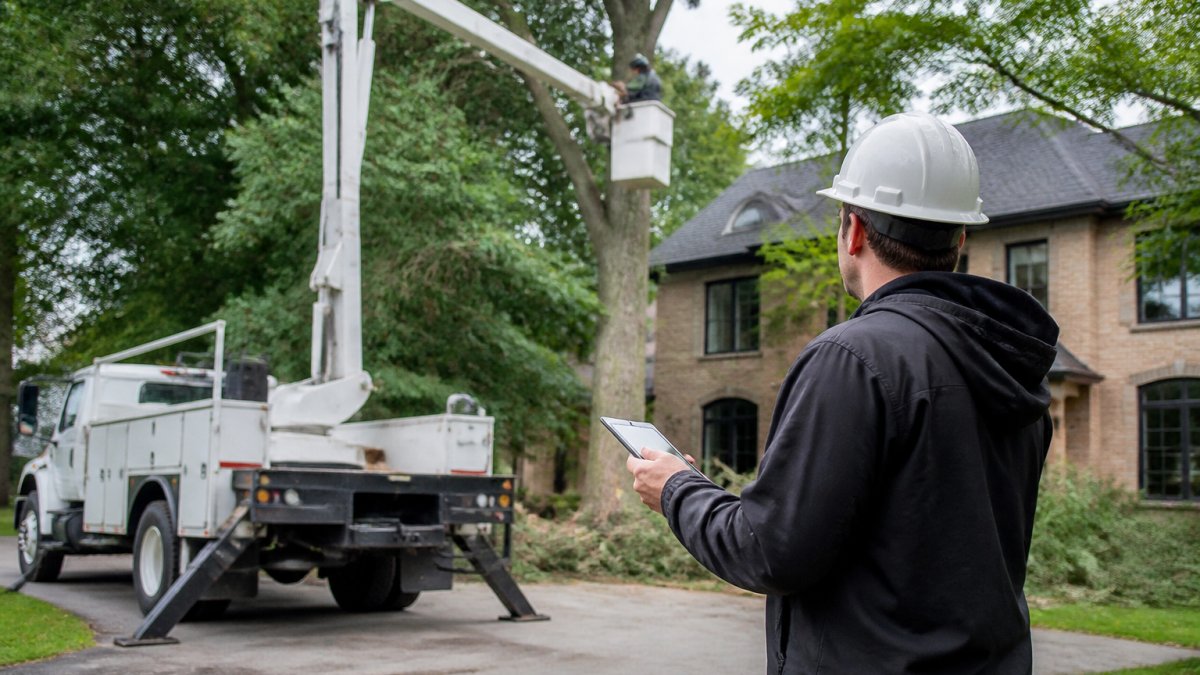
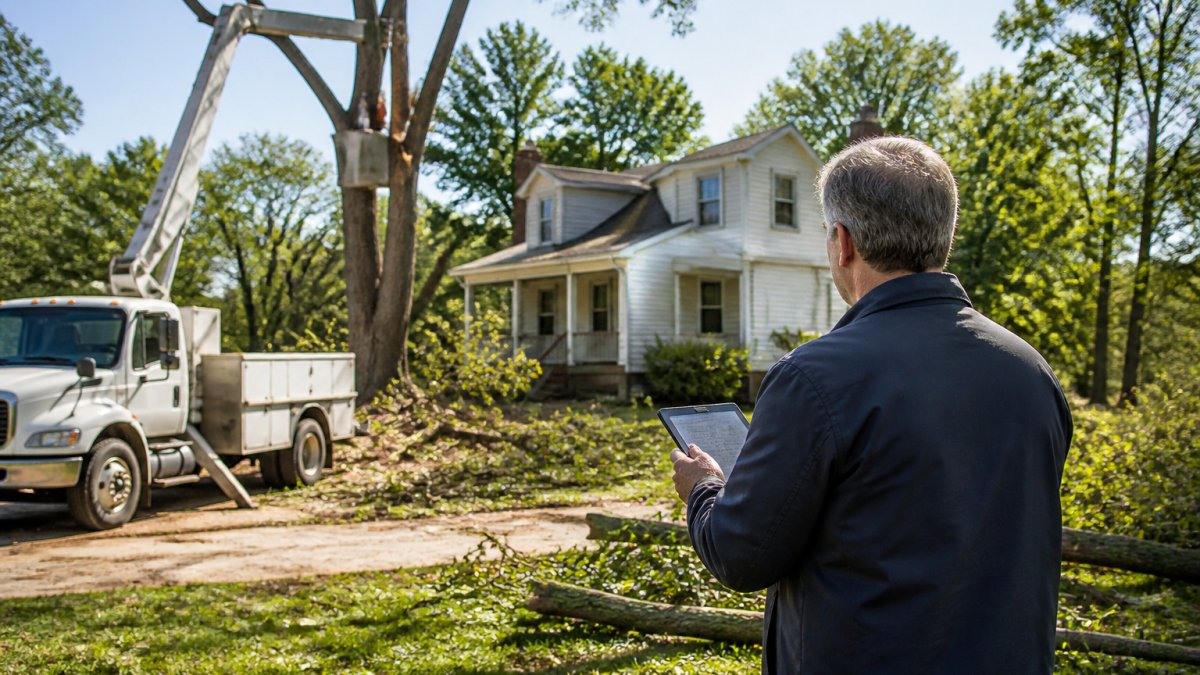
If your parcel has hazardous trees or a large brush load, contact Redbird Tree Service for a site assessment and written estimate. Our certified, fully insured crews handle tree and brush clearing and stump removal.
Frequently Asked Questions
How much does it usually cost to clear land?
Land clearing costs depend on acreage, vegetation density, the size of trees, stump count, terrain and how far debris must be hauled. Dense brush and mature hardwoods cost more than open pasture with scattered shrubs. Because pricing varies so widely by site, the most reliable number comes from an on-site assessment. Contact Redbird Tree Service for a written quote based on your property's actual conditions.
What is the difference between land clearing and site preparation?
Land clearing removes trees, brush, stumps and debris from raw ground. Site preparation follows and shapes that cleared ground for construction, which typically includes grading, leveling, and sometimes soil redistribution to create a stable building pad. Clearing comes first, and site preparation makes the lot ready to build on. Many projects need both phases coordinated under one plan.
Do I need permits for professional site clearing before construction?
Permit requirements depend on the county, the scale of the work and whether protected trees, wetlands or stormwater rules apply. Many Florida jurisdictions require a tree removal permit or environmental review before large clearing begins. Confirm requirements with your local building or environmental department before scheduling crews, since clearing without a required permit can delay the entire project.