 how-to
7 Land Clearing Services Central Florida Property Owners Need
Last Updated: October 26, 2026
Quick Summary
Land clearing services central in Florida remove brush, trees, stumps, and debris so a property can be used, built on, or made safe again. The right scope depends on your plans for the land, what's growing on it, and local rules that protect trees, species, and wetlands.
- Brush and underbrush removal clears palmetto, vines, saplings, and dense scrub first, opening sight lines before heavier work.
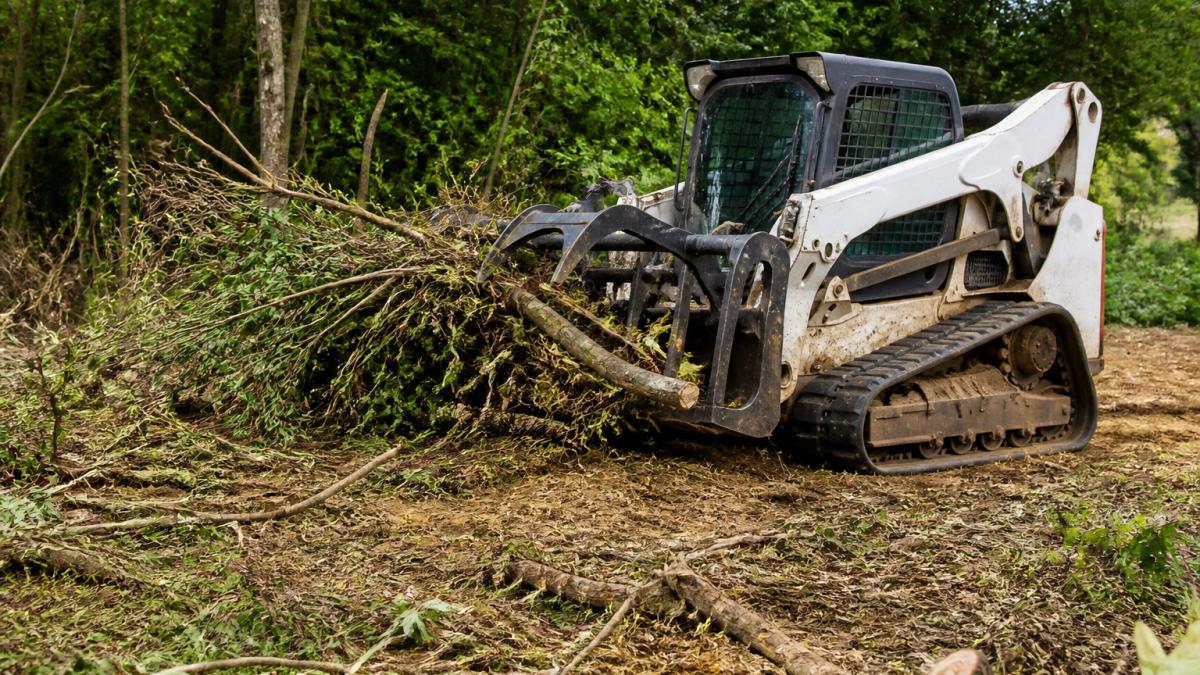
- Forestry mulching leaves a mulch layer on intact ground but is limited on large timber and stumps.
- Ask for an estimate broken out line by line rather than bundled into one number.
- Gopher tortoise burrow relocation requires a permit and licensed agent and can add weeks.
- Redbird Tree Service's certified arborists have more than 25 years of field experience.
Table of Contents
- What Land Clearing Services in Central Florida Actually Cover
- Forestry Mulching Services vs Conventional Clearing
- Central Florida Land Clearing Cost: What Drives Your Estimate
- Land Clearing Permits and Regulations You Need to Check First
- Land Clearing and Site Preparation: From Site Assessment to Final Grade
- Request a Land Clearing Assessment for Your Central Florida Property
- Frequently Asked Questions
What Land Clearing Services in Central Florida Actually Cover
Land clearing services central in Florida remove brush, trees, stumps, and debris so a property can be used, built on, or simply made safe again. At Redbird Tree Service, we provide land clearing services. Most owners assume clearing means "knock it all down." It rarely works that way.
The right scope depends on what you plan to do with the land, what's growing on it, and what local rules protect.
Brush and Underbrush Removal
Brush and underbrush removal clears the low layer first: palmetto, vines, saplings, and dense scrub that hide hazards and block access. Underbrush mowing opens sight lines and lets you see the terrain before heavier work starts. On Florida parcels, this step often reveals drainage swales, old fences, and buried debris that nobody knew were there.
Tree and Vegetation Removal, Stump Removal, and Debris Disposal
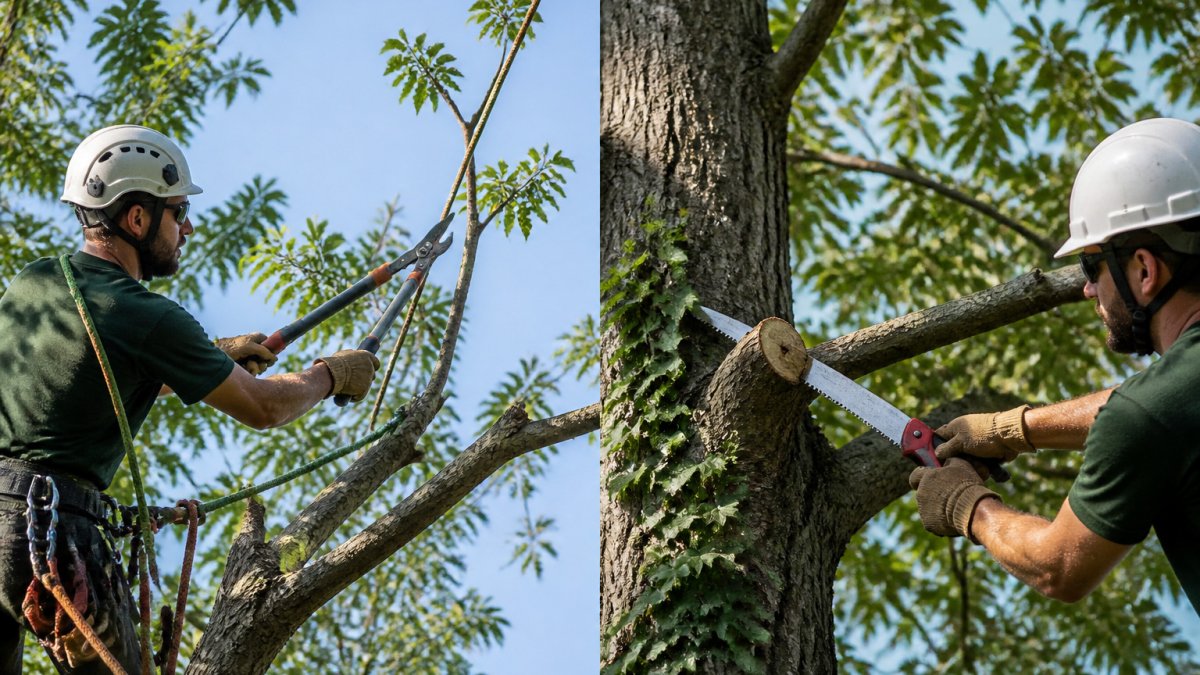
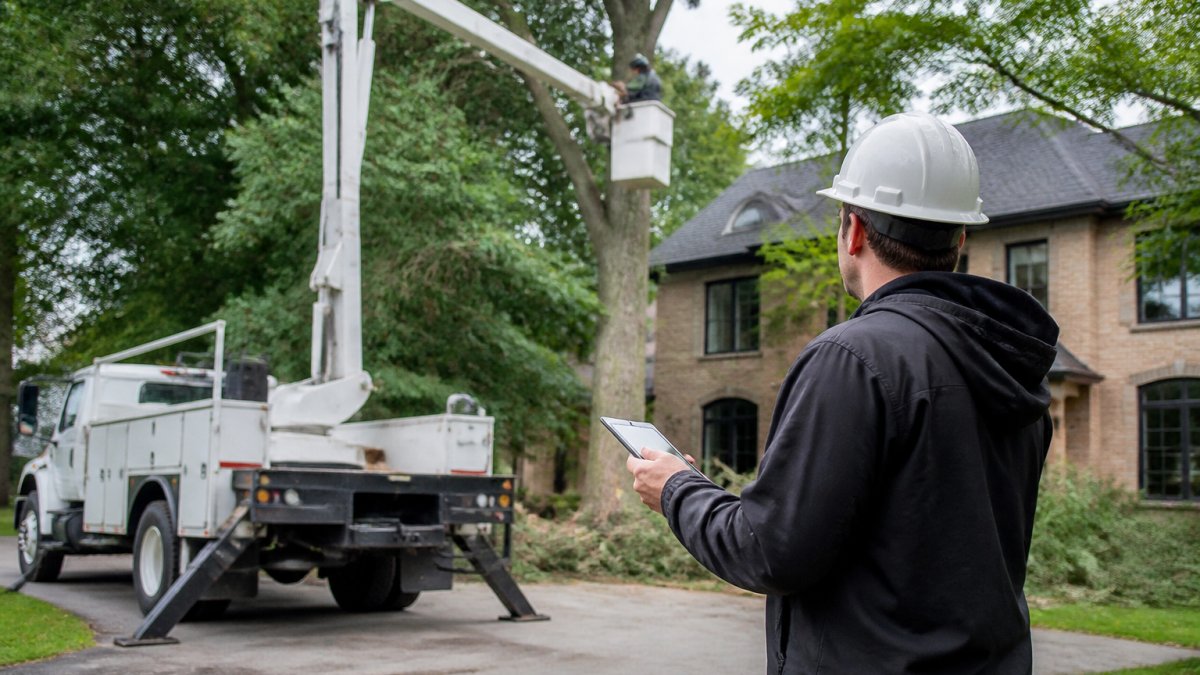
Tree and vegetation removal covers the larger material, including hazard trees, dead pines, and invasive species. Stump removal follows, because a cut stump left in place rots, sprouts, and ruins grading. Debris disposal closes the loop: chips, logs, and refuse hauled off or processed on site. A common mistake is hiring a crew that clears but leaves the slash behind. That pile becomes your problem and your cost.
Residential and Commercial Property Clearing
Redbird Tree Service provides land clearing services for residential and commercial clients.
Forestry Mulching Services vs Conventional Clearing
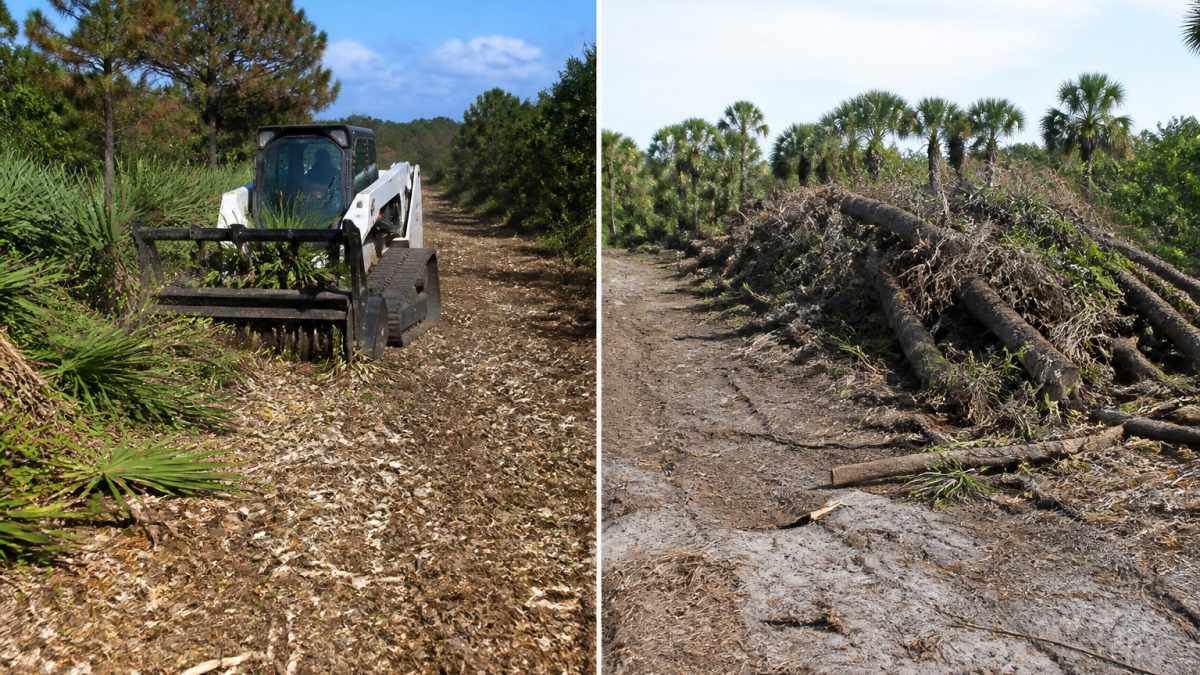
| Method | Best For | What It Leaves Behind | Main Trade-Off |
|---|---|---|---|
| Forestry mulching | Heavy brush, fence lines, sensitive soil | Mulch layer on intact ground | Limited on large timber and stumps |
| Conventional clearing | Construction pads, large trees, full stump removal | Bare, graded ground | More soil disturbance and debris hauling |
Central Florida Land Clearing Cost: What Drives Your Estimate
Land clearing pricing depends on the project. Contact Redbird Tree Service for a quote.
What moves your project estimate up or down:
How the estimate is usually built
| Line item | What it covers | What to confirm |
|---|---|---|
| Mobilization | Transport of equipment to and from the site | Whether it is charged once or per machine |
| Clearing | Machine time to remove brush and trees to the agreed lines | The clearing width and whether it is measured in acres or linear feet |
| Stump removal | Grinding or extraction below grade | Depth of grind and whether roots are removed |
| Debris handling | Chipping, mulching, hauling, or burning | Where material goes and who pays disposal fees |
| Grading and dirt work | Cut, fill, and shaping after clearing | Whether a final grade is included or billed separately |
| Erosion control | Silt fence, inlet protection, stabilization | Whether it is required by permit and who installs it |
What to expect on price
A useful estimate breaks these out line by line rather than bundling them into one number. Ask for that breakdown, and ask what happens if the crew hits something unexpected, such as buried debris, a protected tree, or a soft spot that needs stabilization.
Land Clearing Permits and Regulations You Need to Check First
Land clearing requirements can vary. Before work begins, confirm what your local government requires.
The four regulatory layers that apply to most clearing jobs
- County or city land development rules. Most jurisdictions require a clearing or land alteration permit above a certain disturbed-acreage threshold, and many require a tree removal permit for protected species or trees above a stated trunk diameter. Ask for the threshold in writing, because it is often measured in inches of diameter at breast height (DBH), not tree count.
- Protected species. The federal Endangered Species Act, administered by the U.S. Fish and Wildlife Service, protects listed wildlife and plants, and clearing can trigger review if the parcel contains suitable habitat. On the state side, the Florida Fish and Wildlife Conservation Commission maintains protected species rules, and the Florida Department of Agriculture and Consumer Services regulates listed plant species. Gopher tortoise burrows are the classic example: relocating them requires a permit and a licensed agent, and that step alone can add weeks.
- Wetlands and surface water. For anything near water or mapped wetlands, the U.S. Army Corps of Engineers regulates dredge and fill activity under the Clean Water Act, and the Florida Department of Environmental Protection oversees state wetland and surface water rules. Many projects also need a state environmental resource permit, and work in a floodplain may require local review even when no wetland is mapped.
- Erosion and stormwater control. Disturbing ground above a local threshold usually triggers a stormwater pollution prevention plan and inspection requirements. Skipping this is a common reason a cleared site gets a stop-work order after the first rain.
Questions to ask before you sign a clearing contract
- Does this clearing need a permit, and who pulls it, me or the contractor?
- Are any trees on the parcel protected, and what is the removal threshold?
- Does the work touch wetlands, a floodplain, or mapped habitat?
- What erosion controls are required, and who inspects them?
- Who is responsible if a protected species or buried utility is discovered mid-job?
Get answers in writing before work begins, and keep the permit and any agency correspondence with your project file.
Land Clearing and Site Preparation: From Site Assessment to Final Grade
If you're building, the process ties directly to how clearing and excavation prepare a site. This guide to land clearing and excavation for construction walks through that sequence from assessment to final grade.
Request a Land Clearing Assessment for Your Central Florida Property
Contact Redbird Tree Service about land clearing for your property.
At Redbird Tree Service, our certified arborists have more than 25 years of field experience. We're fully certified and insured, and we provide land clearing services for residential and commercial clients. We also offer 24/7 emergency tree services.
If you're out of state, ask for documentation up front.
Frequently Asked Questions
How much does land clearing cost in Central Florida?
Pricing depends on acreage, vegetation density, terrain, access, and how much debris has to be hauled off, so most contractors quote per project rather than a flat per-acre rate. Dense brush, large stumps, and tight property access all add labor and equipment time. Ask for a written estimate that separates clearing, stump removal, grading, and debris disposal so you can compare quotes line by line. Redbird Tree Service provides quotes after a site assessment.
Do I need a permit to clear land in Central Florida?
Permit requirements depend on the property and applicable local rules. Before work begins, confirm those rules with the relevant authorities.
Is forestry mulching a good option for clearing a lot?
The right land-clearing approach depends on what you plan to do with the land afterward.
What is the difference between forestry mulching and traditional land clearing?
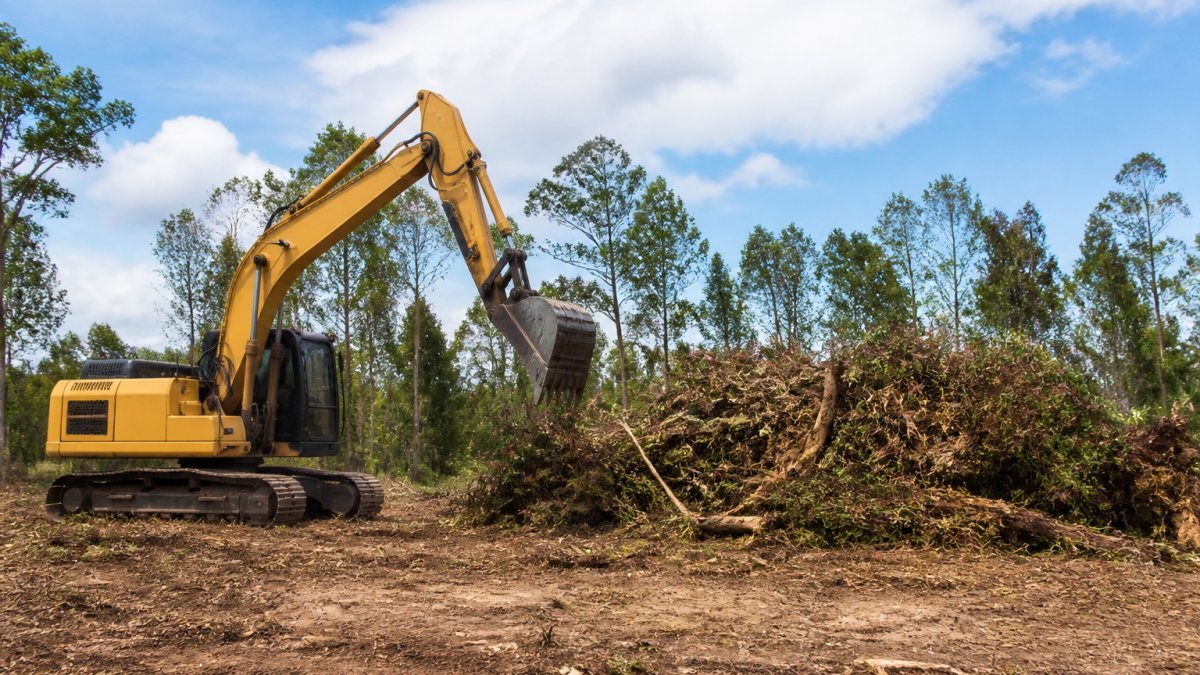
Traditional land clearing uses excavators, bulldozers, and hauling to remove vegetation, root systems, and topsoil, which is often necessary for building pads and new construction. Forestry mulching keeps the root systems and topsoil in place and turns brush into ground cover. Mulching costs less and disturbs less soil, while conventional clearing gives you a bare, graded site ready for development. Match the method to your end goal, not the other way around.
Don't let overgrown brush, hazard trees, or unclear site conditions decide your project's timeline. Get a professional assessment first, then clear with confidence. Get started with Redbird Tree Service and contact us to request your land clearing assessment.