 listicle
Signs a Tree Needs Removal: 9 Warning Signals to Watch
Last Updated: October 28, 2026
Quick Summary
A tree needs removal when it shows warning signs such as vertical cracks or splits in the trunk, internal decay or cavities, large amounts of deadwood in the canopy, soil heaving or exposed roots at the base, or a lean that has recently changed. Signs like these can signal a hazard, so keep people and vehicles away and have a certified arborist assess the tree before deciding.
- Vertical cracks that widen over time, or that let you see daylight through them, deserve an arborist's assessment.
- Fungal mushrooms or conks at the trunk or root flare can indicate internal decay.
- A recent lean combined with soil heaving, widening ground cracks, or exposed roots may indicate a concern.
- Do not climb or cut a suspect tree yourself; keep the area clear and seek a qualified professional.
- Photograph the tree and note changes over time to help an arborist evaluate it.
Table of Contents
- Visible Trunk Damage That Signals Removal
- Signs of a Dying Tree in the Canopy and Branches
- Tree Root Damage and Soil Instability
- Leaning Tree Danger: When Lean Becomes a Hazard
- When to Call an Arborist Before Deciding on Removal
- Frequently Asked Questions
Signs a tree needs removal are often easy to miss until a storm makes them obvious. Redbird Tree Service has over 25 years of field experience, and the warning signals below can help identify potential tree hazards. Some may indicate a tree can be saved; others may signal a risk that needs prompt attention.
Nine warning signals are covered here, grouped by where they show up: trunk, canopy, roots, lean, and when to call a professional.
Visible Trunk Damage That Signals Removal
Trunk damage can be a sign of a potential hazard. Because the trunk carries the crown, damage here can affect the tree's structure.
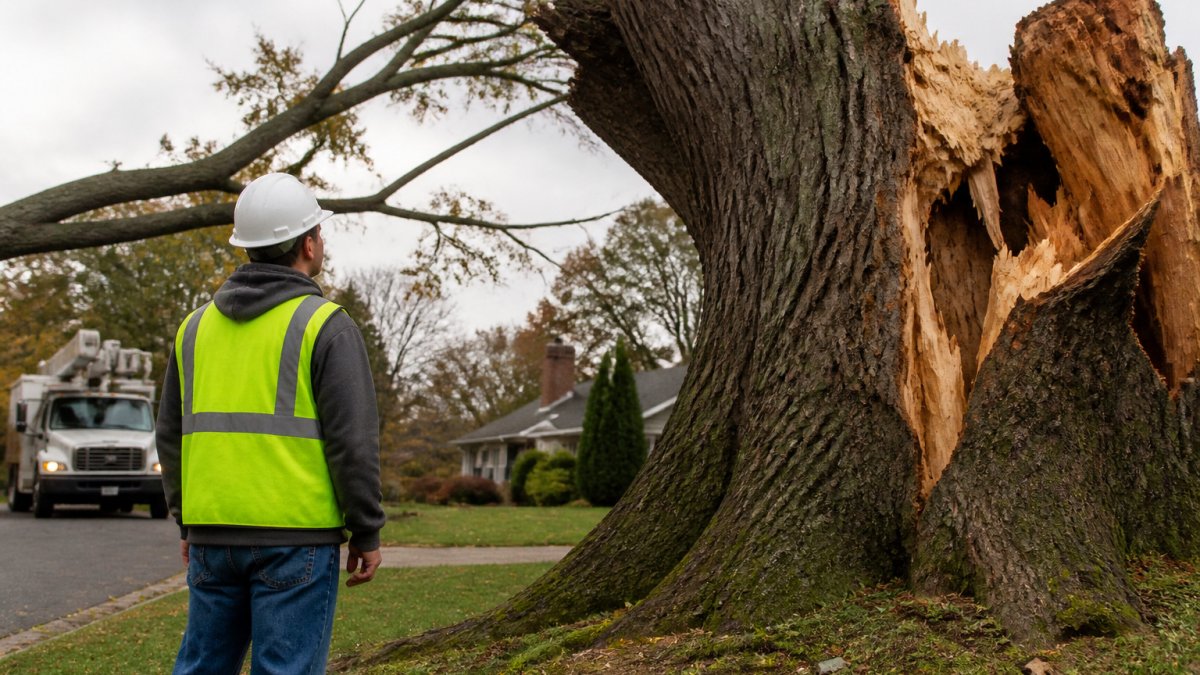
Vertical cracks, splits, and seams
Vertical cracks running up the trunk can be a warning. Seams, where bark is pulled tight over a split or the wood looks opened, may suggest the trunk is separating. Check the base and where major limbs meet the trunk.
Not every crack means removal. A deep split into the wood that widens over time is different. If you can see daylight through a crack or it moves when you push on a limb, consider contacting an arborist.
Hollow trunks and internal decay
Internal decay can be hard to spot because it develops out of sight. Watch for cavities, soft or spongy wood, and mushrooms or conks on the trunk or root flare; fungal growth at the base can be a sign of decay.
A tree can look healthy outside while its core has decayed. Cavities in the trunk can be a sign of a potential structural concern.
Signs of a Dying Tree in the Canopy and Branches
The canopy can offer clues about a tree's condition. Dead, thinning, or discolored growth can signal stress.
Look for these warning signs:
- Dead or deadwood limbs with no buds or leaves, especially in the upper crown
- Broken or loose limbs hanging over structures, driveways, or play areas
- Sparse or thin leaf cover compared to the same tree in past seasons
- Discolored or yellowing foliage that spreads through the crown
- Stunted growth, with new shoots much shorter than normal
Dead branches are not always a reason for full removal. If the tree may be saved, Tree Health Care Services can address the underlying stress. The concern is when deadwood makes up a large share of the crown or decline is widespread; consider having the tree assessed.
Tree Root Damage and Soil Instability
Roots anchor the tree, and damage below ground can be associated with a tree tipping or dropping limbs. Root problems can be hard to see, so watch for changes at the base.
Watch for exposed roots that were once buried, soil heaving or cracking around the base, and mushrooms growing from the soil near the trunk. Root damage can be associated with construction, grading, flooding, or a previous storm that partly uprooted the tree. These conditions may affect the tree's stability.
Soil erosion around the base is another condition to note. Changes in the soil around a tree's roots may affect its support.
Leaning Tree Danger: When Lean Becomes a Hazard
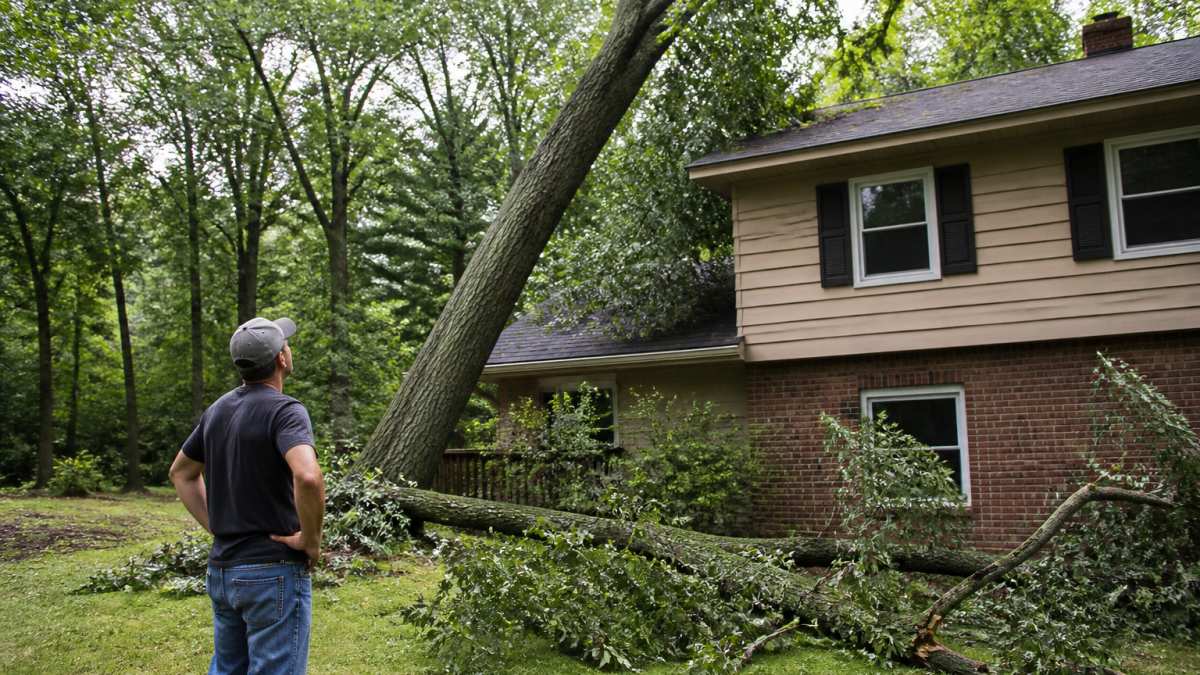
A tree may lean naturally. Consider whether the lean is recent, growing, or accompanied by other signs. A lean alone does not establish that removal is needed; a lean plus root-plate movement warrants closer attention.
Reading the lean
Compare the tree against its own history. A lean that has changed over time, especially after a storm, flood, or nearby construction, may warrant closer attention. Look for these companion signs:
- Soil lifting or mounding on the side opposite the lean, which shows roots being pulled up
- Cracks in the ground near the base or a visible gap forming around the root zone
- Exposed roots that were previously buried
- A curved trunk or a sudden bend that was not there before
- Mushrooms or conks at the base, which can indicate decay weakening the roots
How soil and seasonal conditions change the picture
Conditions around a tree can change its stability. Drought, heavy rain, flooding, construction, grading, or trenching within the root zone may affect the soil or roots. A change in lean or other signs may warrant an assessment.
Seasonal leaf loss can affect how a tree's canopy looks. Compare its appearance with the same season in prior years rather than relying on a single snapshot.
Assess the target, not just the tree
When considering a leaning tree, note what it could hit, such as a house, driveway, power line, or vehicle. Keep people away from areas that may be at risk and seek a professional assessment.
A recent lean plus soil heaving, a widening ground crack, or exposed roots may indicate a concern. Keep people and vehicles away from the area and seek a professional assessment. If a tree has already come down on your home or driveway, see What To Do When A Tree Falls On Your Home Or Driveway In Haines City Fl for the immediate steps to take.
A leaning tree that threatens a house, a driveway, a power line, or a vehicle may need professional attention. Redbird Tree Service provides 24/7 emergency tree services.
When to Call an Arborist Before Deciding on Removal
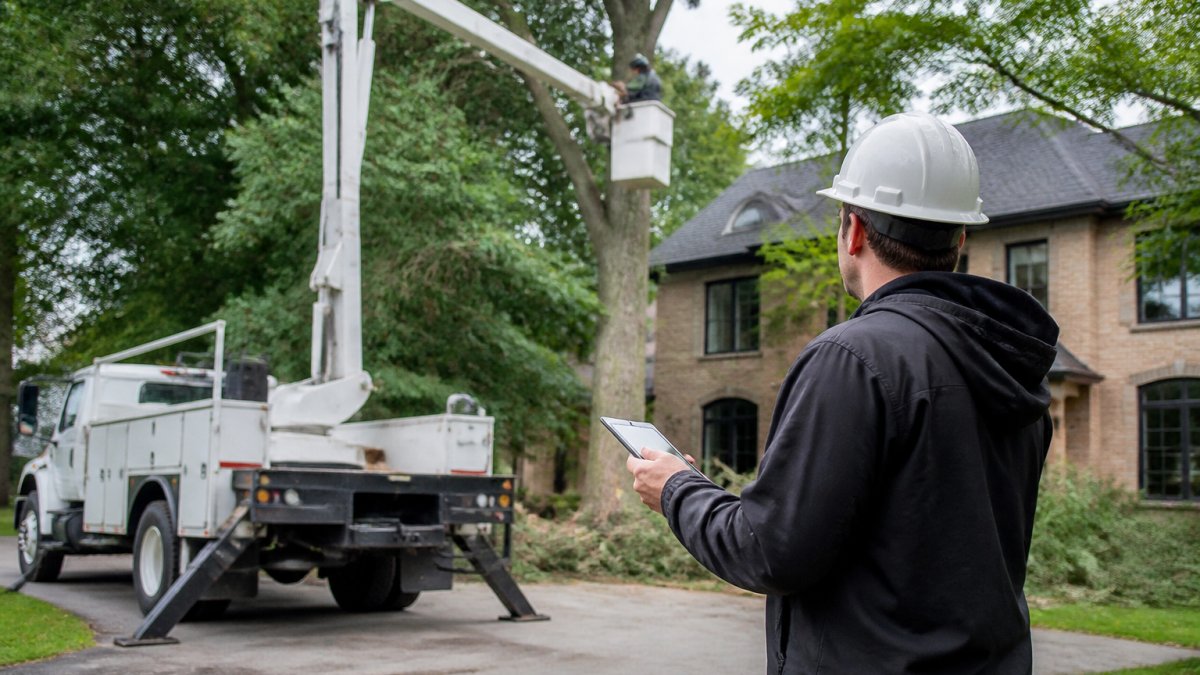
Property owners may need to consider whether to remove a tree or pursue another option. If you want a professional removal assessment and service, see Tree Removal Services. A certified arborist can assess the tree before you decide. The assessment can help inform whether preservation or removal is appropriate.
A simple removal-versus-treatment framework
These questions may help organize your observations before an assessment:
- What does the damage look like? Note surface bark damage, deadwood, cracks, cavities, or root-plate movement for an arborist to assess.
- What changes have you noticed? Note uneven leafing, dieback, a thinning crown, or fungal growth for an arborist to assess.
- What could the tree reach if it fell? Note whether a house, driveway, utility line, or play area is nearby.
- What options should be assessed? Ask a professional whether pruning or another approach is appropriate, or whether removal should be considered.
Urgency levels and immediate safety actions
Not every warning sign means the same thing. Sort what you see into three tiers:
- Seek prompt attention. If a tree is actively moving, has a fresh soil crack or heave at the base, has a split that widened after a storm, or is leaning toward a structure, keep people and vehicles away from the area and contact a qualified tree service.
- Consider an assessment. Large dead limbs over a roof or walkway, fungal conks on the trunk, a cavity you can put a hand into, or a lean that changed over a season may warrant professional attention.
- Document what you notice. Photograph the tree and note any changes over time.
Do not climb or cut a suspect tree yourself. Keep the area clear and consider having a qualified professional assess it.
What a professional inspection actually involves
An assessment can help evaluate a tree's condition and whether removal, trimming, or pruning may be appropriate.
You can prepare by noting when you first noticed a change and whether construction, flooding, a storm, or dropped limbs preceded it.
Check local rules before you remove
Before approving removal, check with your local permitting office for any applicable requirements.
Consider contacting a professional if you notice changes such as widening cracks or splits, fungal growth, a change in lean, soil lifting around roots, or large dead limbs over a home, vehicle, or walkway.
Redbird Tree Service is fully certified and insured. If you are unsure whether a tree needs removal, contact us for an assessment.
Before deciding on removal, sort what you observe into urgency tiers and document changes for an arborist.
| Urgency tier | What it looks like | Recommended action |
|---|---|---|
| Seek prompt attention | Tree actively moving, fresh soil crack or heave at base | Keep people and vehicles away; contact a qualified tree service |
| Seek prompt attention | Split that widened after a storm | Keep people and vehicles away; contact a qualified tree service |
| Seek prompt attention | Leaning toward a structure | Keep people and vehicles away; contact a qualified tree service |
| Consider an assessment | Large dead limbs over a roof or walkway | Consider professional attention |
| Consider an assessment | Fungal conks on the trunk | Consider professional attention |
| Consider an assessment | Cavity you can put a hand into | Consider professional attention |
| Document what you notice | Any change over time | Photograph the tree and note changes |
Frequently Asked Questions
How can you tell if a tree needs to be removed?
Look for changes such as vertical trunk cracks, large cavities, a lean that has increased over time, heaving soil near the base, or a canopy with mostly dead or sparse growth. These signs may warrant a professional assessment to consider whether removal is appropriate.
Can a tree with a hollow trunk still be safe?
A hollow trunk alone does not establish whether removal is needed. The tree's condition and surroundings may warrant professional assessment.
Should I remove a tree with root damage?
Root damage may be a concern, particularly when accompanied by exposed roots, soil heaving, or a lifted root plate. Consider seeking a professional assessment to discuss whether removal is appropriate.
When should I call an arborist about a hazardous tree?
If you notice a change in a tree's lean, a split or cavity in the trunk, large dropped limbs, or heaving soil at its base, consider seeking a professional assessment, particularly if the tree is near a home or power line. For urgent situations after a storm, contact a provider offering emergency tree services. Redbird Tree Service offers 24/7 emergency tree services and certified, insured arborists; visit the Redbird Tree Service website to request a quote.